info@innovationeyecentre.co.ke
info.ksm@innovationeyecentre.co.ke
Location
Kisii Town
Kisumu
Call us
Kisii: +254 727 807097
Kisumu: +254 700 860 923
info@innovationeyecentre.co.ke
info.ksm@innovationeyecentre.co.ke
Kisii Town
Kisumu
Kisii: +254 727 807097
Kisumu: +254 700 860 923
The retina is a delicate, light-sensitive tissue at the back of the eye that plays a key role in converting light into the images we see. When disease affects any part of the retina, it can lead to vision problems, eye discomfort, or, in serious cases, significant complications. Early detection and proper treatment are vital for protecting sight and supporting long-term eye health.
Identifying the early signs of retinal conditions is important for receiving timely specialist care. If you notice any of these symptoms, arranging an eye evaluation with a specialist can support early diagnosis.
Protect your sight book an appointment today.
Common signs may include the following:
Symptoms
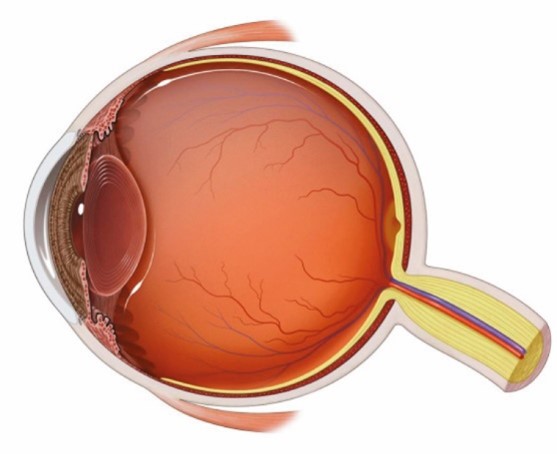
The retina is the layer of tissue at the back of the inner eye. It changes light and images that enter the eye into nerve signals that are sent to the brain which enables us to “see” things. Often, there are no symptoms until the damage to the eyes is severe. Symptoms may include blurred vision and slow vision loss over time, floaters, shadows or missing areas of vision, and/or trouble seeing at night.
Retinal Diseases and How They Are Treated
What is Diabetic Retinopathy?
Diabetes can harm your eyes. The excessive amount of glucose circulating in the blood stream can damage the small blood vessels in your retina, the back part of your eye. This is called Diabetic Retinopathy.
People with type 1 and type 2 diabetes are at risk for this condition. It affects up to 80% of all patients who have had diabetes for 10 years or more. The longer a person has diabetes, the higher his or her chances of developing diabetic retinopathy. Diabetes also increases your risk of having glaucoma, cataracts, and other eye problems.
Blocked blood vessels or vessels that are larger in certain spots, small amounts of bleeding and fluid leaking from the vessels, and/or abnormal growth of new, fragile vessels are signs that an eye doctor looks for during a diabetic eye exam. Regular diabetic eye exams are vitally important to the continued health of your eyes, as well as your continued ability to see.
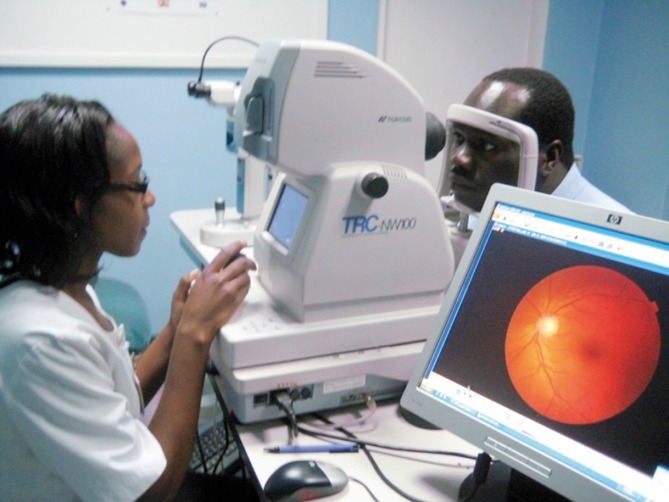
Your doctor has recommended a yearly screening for diabetic retinopathy. We have a special camera in our hospital that is capable of taking photographs of your retina. These photographs are examined by an ophthalmologist who is then able to provide recommendations for continued treatment.
Sickle cell retinopathy is an eye problem that can occur in people who have sickle cell disease. Sickle cell disease is an inherited blood condition where red blood cells become sickle-shaped (curved like a crescent) instead of round. These abnormally shaped cells can block blood flow in different parts of the body, including the eyes.
When blood flow to the eye is affected, it can damage the retina the light-sensitive layer at the back of the eye that helps you see. This damage is called retinopathy. Over time, sickle cell retinopathy can cause vision problems and, in some cases, lead to vision loss if not treated.
How is Sickle Cell Retinopathy Treated?
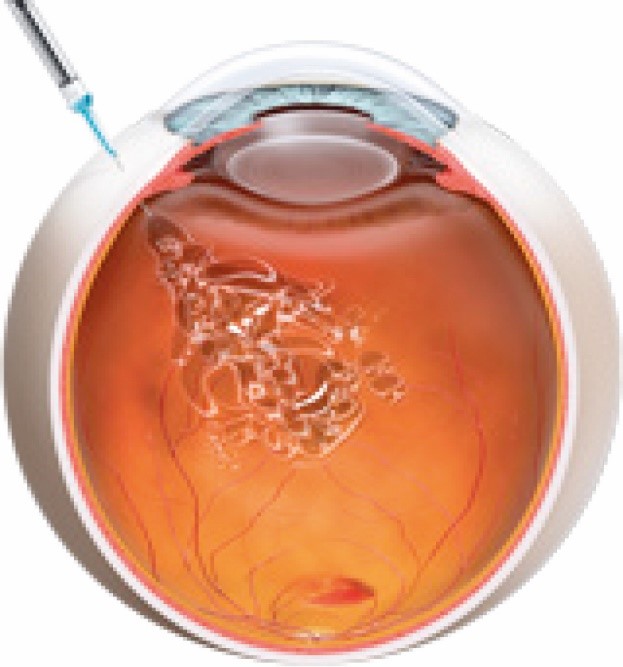
Treatment for sickle cell retinopathy depends on how advanced the condition is and whether it is affecting your vision. In the early stages, if there are no symptoms or vision problems, you may not need any treatment right away. However, regular eye check-ups are very important to monitor for any changes. If the condition gets worse, treatment may include:
In the early stages, sickle cell retinopathy may not cause any symptoms. This means you could have changes in your eyes without noticing any problems with your vision.
As the condition progresses, some people may start to notice:
Because early changes can happen without symptoms, it’s important for people with sickle cell disease to have regular eye exams, even if their vision seems normal.