info@innovationeyecentre.co.ke
info.ksm@innovationeyecentre.co.ke
Location
Kisii Town
Kisumu
Call us
Kisii: +254 727 807097
Kisumu: +254 700 860 923
info@innovationeyecentre.co.ke
info.ksm@innovationeyecentre.co.ke
Kisii Town
Kisumu
Kisii: +254 727 807097
Kisumu: +254 700 860 923
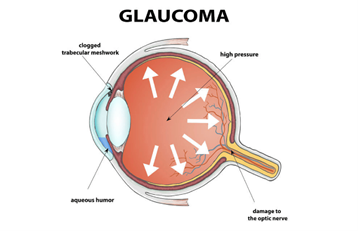
Glaucoma is an eye disease that causes progressive irreversible damage of the nerve for vision and slowly leads to blindness. It is often associated with high pressure inside the eye.
There is usually no warning, or obvious symptoms to detect it until marked irreversible loss of vision has occurred and this has led to glaucoma being described as the “sneak thief of sight”. It is treated by reducing pressure in the eye.
Glaucoma is the leading cause of irreversible blindness worldwide. It afflicts more than 67 million people globally of whom about 5.0 million are blind. In Kenya, over 400,000 people are affected. Unfortunately, most people with glaucoma are not aware of it. It is the estimated that over 90% of Kenyans who suffer from glaucoma are not aware of it!
How is glaucoma diagnosed
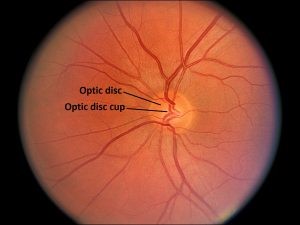
A complete eye exam is needed by a specialist. It will include:
Who is at risk?
Anybody is at risk of getting Glaucoma. However, there are groups of people who are at a higher risk of getting the disease. These include people:
The more of these risk factors an individual has, the higher the need for frequent eye checkup.
How do I know I have glaucoma
At first there are no symptoms. Vision stays normal, and there is no pain. However, as the disease progresses, you may slowly loose side vision. Objects in front may still be seen clearly, but objects to the side may be missed. If untreated, you will slowly lose your peripheral (side) vision. One eye may be affected at first but finally both get affected.
How is glaucoma treated
Early diagnosis is very important. Immediate treatment for early stage of glaucoma can slow down or halt the disease’s process
Treatments include: