info@innovationeyecentre.co.ke
info.ksm@innovationeyecentre.co.ke
Location
Kisii Town
Kisumu
Call us
Kisii: +254 727 807097
Kisumu: +254 700 860 923
info@innovationeyecentre.co.ke
info.ksm@innovationeyecentre.co.ke
Kisii Town
Kisumu
Kisii: +254 727 807097
Kisumu: +254 700 860 923
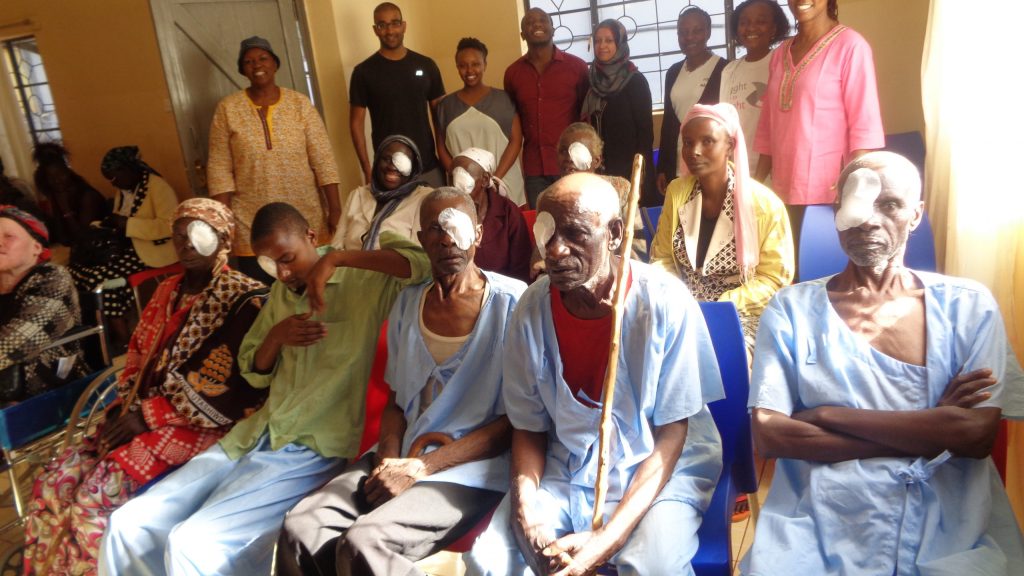
The retina is a thin, light-sensitive layer at the back of the eye that converts light into visual signals sent to the brain. Conditions affecting the retina can interfere with vision and, if left untreated, may lead to serious sight-threatening complications. Early diagnosis and timely treatment are essential to preserving vision and maintaining long-term eye health. At our Retina Clinic, we combine advanced diagnostic technology with specialist expertise to deliver early detection, timely intervention, and compassionate care helping patients protect their sight and quality of life
Prompt evaluation by a retina specialist is recommended if you experience any of the following symptoms:
Common warning signs include:
· Difficulty seeing at night or in low-light conditions
The primary aim of treatment is to control or slow the progression of the condition while protecting, enhancing, or restoring vision. Because existing damage is often irreversible, early diagnosis is critical. The specialist will guide you in selecting the most appropriate treatment plan.
Retinal conditions differ in their underlying causes and levels of severity, yet they have a common impact—they can affect visual function. The following are the most commonly diagnosed retinal conditions we manage and treat:
Diabetic retinopathy is a diabetes-related eye condition caused by damage to the small blood vessels of the retina due to prolonged high blood sugar levels. It affects people with both type 1 and type 2 diabetes and becomes more likely the longer a person has diabetes. Without treatment, it can lead to significant vision loss. Diabetes also increases the risk of other eye conditions, including glaucoma and cataracts.
Sickle cell retinopathy is a complication of sickle cell disease, a genetic blood disorder where red blood cells become misshapen and can block blood flow. When blood supply to the retina is disrupted, it can cause retinal damage and progressive vision problems if not monitored and treated.