
Understanding Cataracts and Why Early Treatment Matters
 Innovation Eye Centre
Vision is one of our most precious senses, allowing us to experience the beauty of life, stay independent, work productively, and connect with loved ones. However, for millions of people worldwide, cataracts gradually steal this clarity of sight—often without them realizing it at first.
At Innovation Eye Centre, we believe that understanding cataracts and seeking treatment early can help preserve vision and improve quality of life.
What Are Cataracts?
A cataract occurs when the natural lens inside the eye becomes cloudy. Under normal circumstances, the lens is clear and allows light to pass through easily, helping the eye focus images sharply on the retina for clear vision.
When cataracts develop, the lens gradually becomes cloudy, blocking or scattering light and causing blurred or dim vision. Many people describe it as feeling like they are looking through a foggy window or a thin film covering the eyes.
Cataracts can affect one or both eyes and may worsen slowly over time if left untreated.
What Causes Cataracts?
Cataracts are commonly associated with ageing and often occur in people over the age of 40. However, they can also develop due to other medical or environmental factors.
Some common causes and risk factors include:
- Ageing and natural wear of the eye lens
- Eye diseases such as glaucoma or eye inflammation
- Diabetes and diabetic eye complications
- Long-term use of steroid medication
- Eye injuries or trauma
- Rarely, cataracts may occur in children
Although cataracts are common, they are not contagious and cannot spread from one person to another.
Signs and Symptoms of Cataracts
Cataracts often develop gradually, meaning symptoms may appear slowly and become more noticeable over time.
You may be developing cataracts if you experience:
- Blurred or dim vision
- A feeling of a film or cloud over the eyes
- Increased sensitivity to bright light and glare
- Difficulty seeing clearly, especially at night
- Changes in the colour or appearance of the pupil
- Difficulty reading, watching television, or recognizing faces
Because these symptoms can worsen gradually, many people adapt to poor vision without realizing how much their sight has changed.
Why Early Treatment Matters
Many people delay seeking help because they believe poor vision is simply a normal part of ageing. Unfortunately, postponing treatment can interfere with daily activities, independence, safety, and overall quality of life.
Early diagnosis and treatment matter because they can:
i. Prevent Severe Vision Loss
Cataracts worsen progressively. Early evaluation helps doctors determine the right time for treatment before vision becomes significantly impaired.
ii. Improve Quality of Life
Clear vision affects almost every aspect of daily living—from reading and driving to cooking, working, and recognizing loved ones. Timely treatment restores confidence and independence.
iii. Enhance Safety
Poor eyesight increases the risk of falls, accidents, and injuries, particularly among older adults. Early treatment helps reduce these risks.
iv. Enable Better Management of Other Eye Conditions
Certain conditions such as glaucoma or diabetic eye disease may coexist with cataracts. Early eye examinations help identify and manage additional eye health concerns before complications arise.
Can Cataracts Be Treated Without Surgery?
In the early stages, glasses or updated prescriptions may temporarily improve vision. However, it is important to understand that medicines and spectacles cannot cure cataracts.
The only effective treatment for cataracts is surgery to remove the cloudy lens and replace it with an artificial lens called an intraocular lens (IOL).
Cataract Surgery: Safe, Effective, and Vision Restoring
Cataract surgery is one of the safest and most successful eye procedures performed today. During surgery, the cloudy lens is removed and replaced with a clear artificial intraocular lens (IOL), helping restore clear vision. For adults, surgery is usually done under local anaesthesia, while children may undergo surgery under general anaesthesia.
At Innovation Eye Centre, cataract surgery may be performed using advanced techniques such as Phacoemulsification Surgery, a modern procedure involving a very small incision. During this process, the cataract lens is broken into tiny fragments using ultrasonic technology and gently removed before implanting a new lens.
Benefits of Modern Cataract Surgery
Modern cataract surgery offers several advantages:
- Faster healing due to smaller incisions
- Minimal discomfort and reduced recovery time
- No stitches in many cases
- Fewer follow-up visits
- Earlier return to normal activities such as reading and watching television
Most patients experience noticeable improvement in vision shortly after surgery.
What Is an Intraocular Lens (IOL)?
An intraocular lens (IOL) is a tiny, clear artificial lens placed inside the eye during cataract surgery.
Unlike contact lenses, the IOL remains permanently in the eye and does not move or cause irritation. It is designed to restore clearer vision and improve visual quality after surgery.
There are different types of IOLs, and your eye specialist will help determine the most suitable option depending on your condition and lifestyle needs.
Don’t Wait Until Vision Becomes a Problem
One of the biggest mistakes people make is waiting until their vision becomes severely affected before seeking care.
If you notice blurred vision, glare sensitivity, or changes in sight, scheduling an eye examination early can make all the difference.
Early diagnosis means better planning, timely treatment, and a greater chance of maintaining clear and healthy vision.
Protect Your Sight with Regular Eye Check-Ups
Routine eye examinations are essential, especially for adults above 40 years or individuals living with diabetes or other eye-related health conditions.
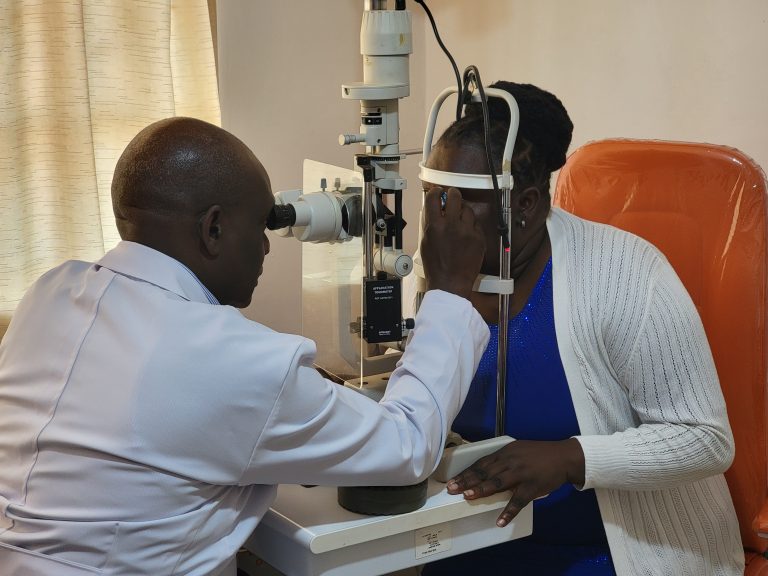
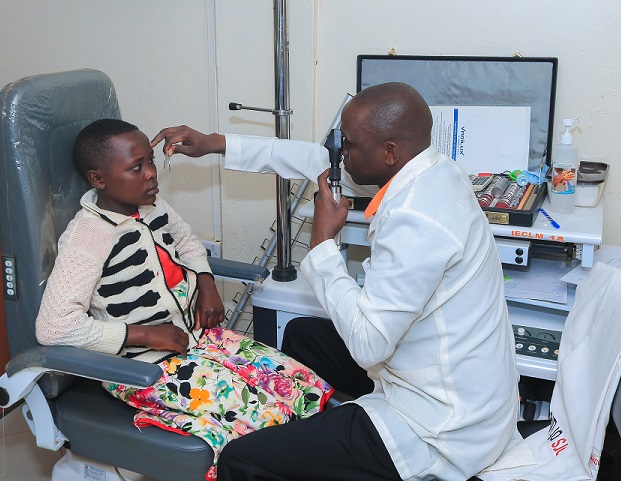
At Innovation Eye Centre, our experienced eye care team provides comprehensive eye examinations, cataract assessment, diagnosis, and quality cataract surgery to help patients regain clearer vision and improve quality of life.
Your eyesight matters—don’t ignore the signs. Book your eye check-up today and take the first step toward clearer vision.