5 Silent Eye Conditions That Can Cause Vision Loss Without WarningWhy Regular Eye Check-Ups Are Essential for Your Vision Health
-
by
Innovation Eye Centre
- No Comments on 5 Silent Eye Conditions That Can Cause Vision Loss Without WarningWhy Regular Eye Check-Ups Are Essential for Your Vision Health
Not All Eye Problems Come with Symptoms
Many people assume that if they can see clearly, their eyes are healthy. Unfortunately, this is not always true. Some of the most serious eye diseases develop slowly and silently, causing damage long before noticeable symptoms appear. In many cases, vision loss only becomes obvious when the condition has already advanced—sometimes permanently.
The good news is that many of these conditions can be detected early through routine eye examinations and managed before they threaten your sight.
At Innovation Eye Centre, we believe awareness and early detection are essential to preventing avoidable blindness.
1. Glaucoma – The Silent Thief of Sight
Glaucoma is one of the leading causes of irreversible blindness worldwide and is often called the “silent thief of sight” because it usually develops without pain or obvious symptoms. The condition damages the optic nerve, often due to increased pressure inside the eye. Early vision loss typically affects peripheral (side) vision, making it difficult for patients to notice changes. By the time symptoms become noticeable, significant vision loss may already have occurred.
Common Risk Factors
- Age above 40 years
- Family history of glaucoma
- Diabetes or hypertension
- Previous eye injury
- Long-term steroid use
Regular eye screening helps detect glaucoma early and allows treatment to slow progression and preserve sight.
2. Diabetic Eye Disease
People living with diabetes are at risk of developing diabetic retinopathy, a condition that damages blood vessels in the retina. The challenge with diabetic eye disease is that it may progress silently—even when vision seems perfectly normal. Without treatment, diabetic eye disease can lead to blurred vision, bleeding inside the eye, retinal damage, and even blindness.
Routine diabetic eye examinations help specialists detect complications early and begin treatment before permanent damage occurs.
3. Cataracts
Cataracts develop when the natural lens of the eye becomes cloudy, gradually affecting the quality of vision. At first, patients may notice only mild blurring, glare from lights, or difficulty reading. Because the condition progresses slowly, many people assume poor vision is simply a sign of ageing. However, untreated cataracts can eventually interfere with daily life and independence.
Early assessment helps eye specialists monitor progression and determine the right time for treatment to restore clearer vision.
4. Retinal Diseases
The retina is responsible for receiving light and sending visual signals to the brain. Conditions affecting the retina can seriously impact sight if left untreated. Certain retinal conditions may begin quietly and worsen over time without obvious symptoms.
Warning signs that may develop later include:
- Sudden flashes of light
- Floaters in vision
- Distorted vision
- Dark areas or shadows in sight
Prompt diagnosis is essential because early intervention may help prevent permanent vision loss.
5. Uncorrected Vision Problems
Not every eye problem involves disease. Sometimes headaches, poor concentration, eye strain, or blurred vision are caused by untreated refractive errors requiring glasses or updated prescriptions.
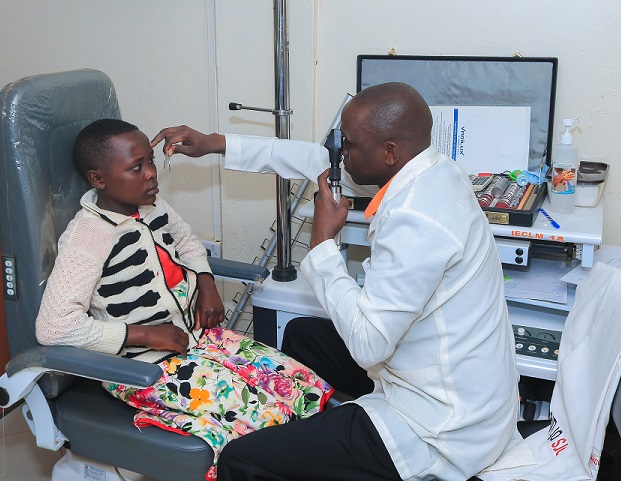
Children may struggle in school without realizing they have poor eyesight, while adults may experience fatigue, reduced productivity, or discomfort from undiagnosed vision problems.
Regular eye examinations ensure vision problems are detected and corrected early.
How Can You Protect Your Sight?
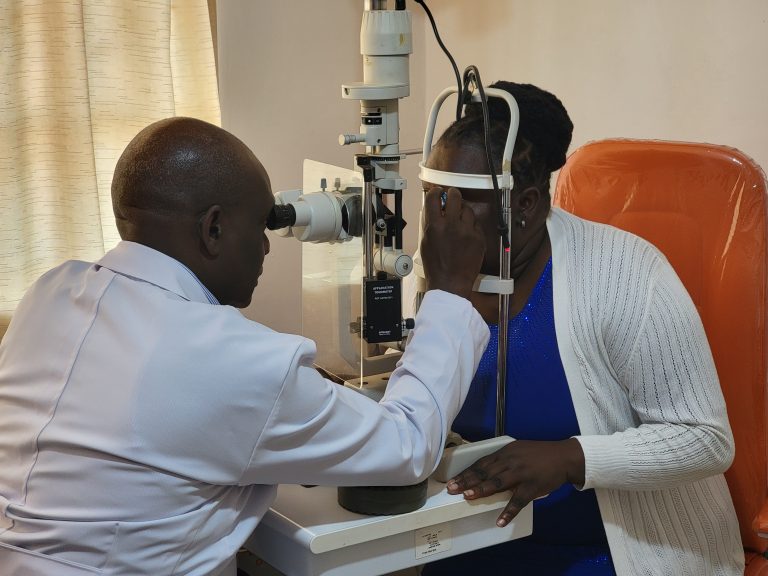
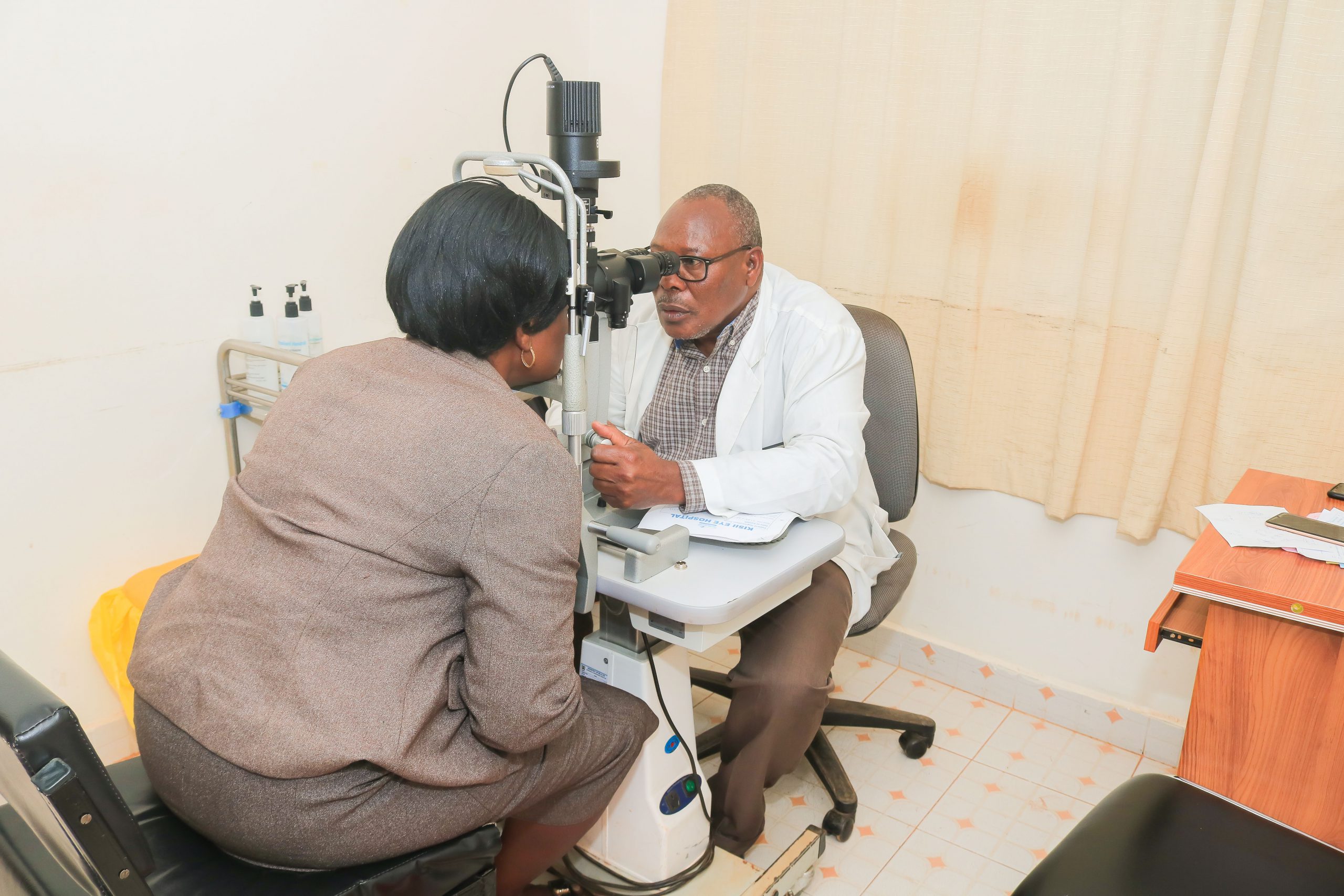
Protecting your eyesight begins with prevention. Even when your vision appears normal, routine eye examinations can identify hidden problems before symptoms develop.
You should prioritize eye check-ups if you:
- Are above 40 years of age
- Live with diabetes or hypertension
- Have a family history of eye disease
- Spend long hours on digital screens
- Notice changes in vision, headaches, glare, or eye discomfort
Don’t Wait for Symptoms
Many serious eye conditions develop quietly and may only become noticeable after permanent damage has occurred.
Early detection can make the difference between preserving vision and losing it.
At Innovation Eye Centre, we provide comprehensive eye examinations, specialist clinics, advanced diagnostic testing, and personalized treatment to help patients protect their vision and maintain lifelong eye health.
Your eyesight is precious. Don’t wait for symptoms—schedule an eye examination and take a proactive step toward protecting your sight.